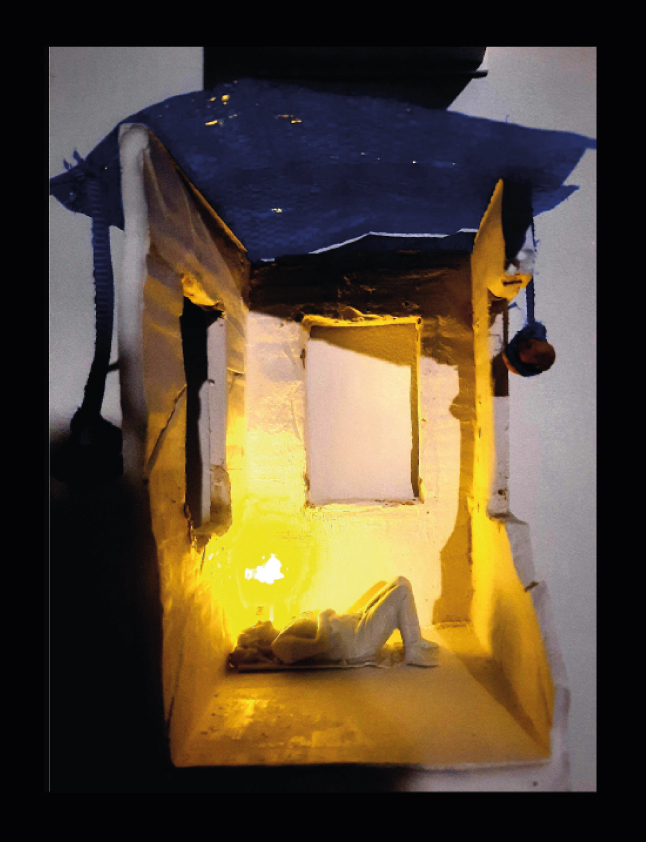
Actual rooms
Actual rooms
Paper rooms
Paper rooms
Waiting rooms
Waiting rooms
Nail clipper room
Nail clipper room
Trauma room
Trauma room
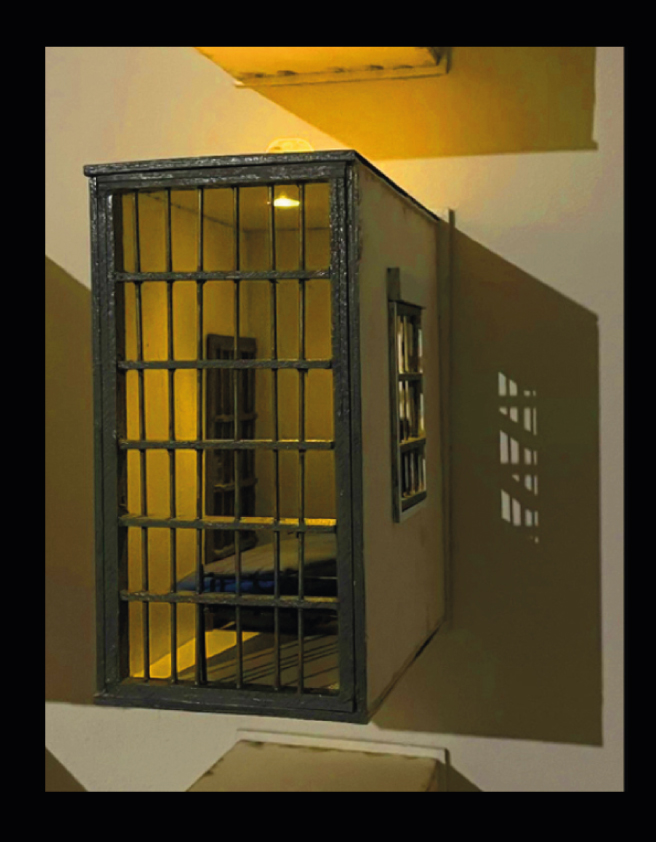
Prison room
Prison room
Bended room
Bended room
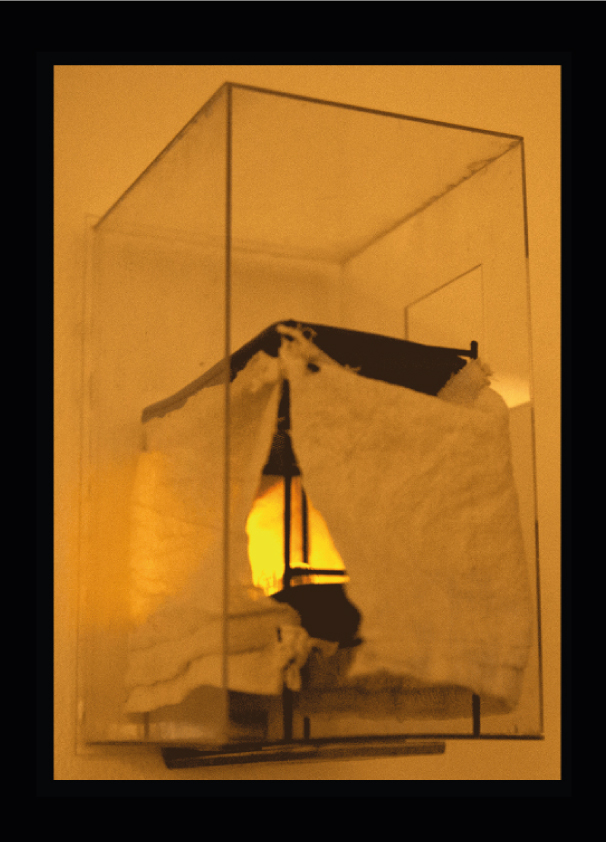
Glass room
Glass room

I am Grateful (?!)

From Personal to Collective

Imagine a space where time stands still—not for minutes, but for months or years. A space where stories remain unheard, and where waiting becomes a way of life. , 2022

Refugee centers are waiting rooms of a different kind. In the Netherlands, they are often hidden from view—yet they are everywhere. Places of suspended time, where lives are placed on hold in uncertainty. Arrival here is not the end of a journey, but the beginning of another: a slow struggle for agency, recognition, and belonging.

I am Grateful (?!) is an installation born from these realities. Initially created by Nasma Alshutfa as a personal series of rooms—each one a story, a fragment of experience—it has since evolved into a collective work. As new voices joined and the team expanded, the installation grew into a shared space of testimony, memory, and belonging. My story now sits alongside theirs, shaped by the contributions of many people. You are invited to step inside—to witness both the intimate emotions and the political conditions that shape the lives of asylum seekers. This work asks you not to look away, but to engage—with curiosity, with understanding, and with questions.

This work exposes visible borders, the ones that divide nations, as well as invisible borders: those embedded in laws, prejudice, and cultural barriers. These unseen walls leave profound marks on identity, belonging, and the possibility of home.

Through co-created narratives and testimonies gathered from different AZCs around the Netherlands, I am Grateful (?!) makes the hidden visible. It gives form to the complex emotions of living in transit—where destinations are uncertain, control is lost, and comfort must always remain temporary.
About the installation

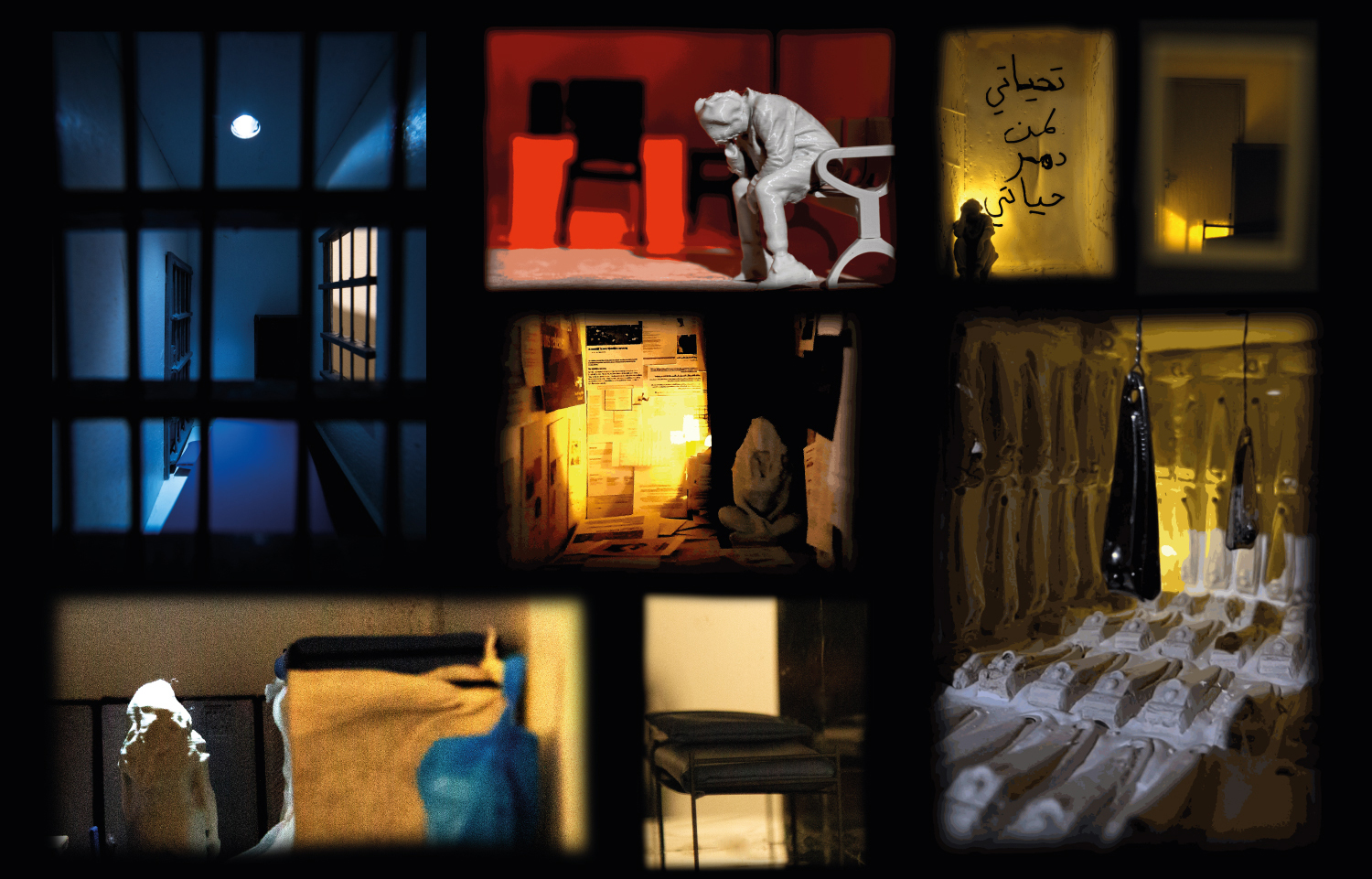
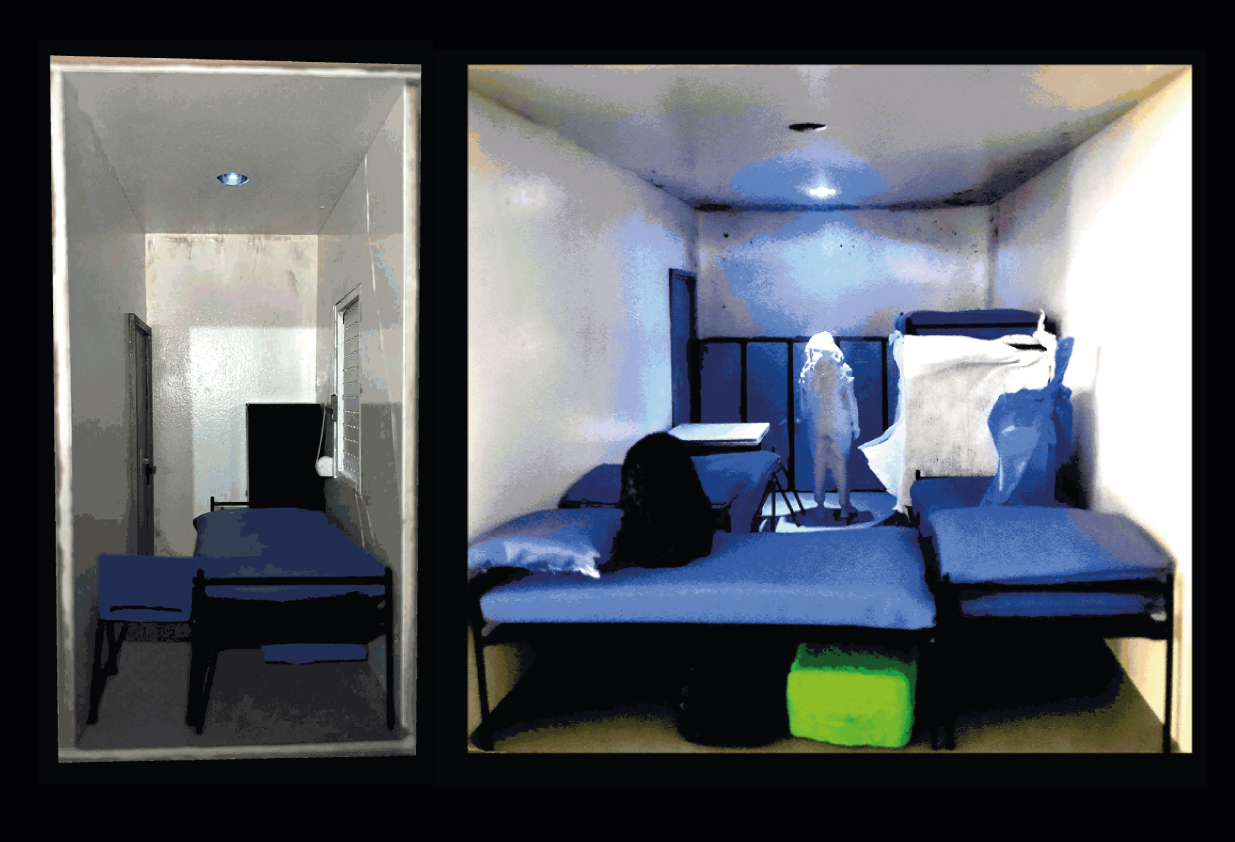
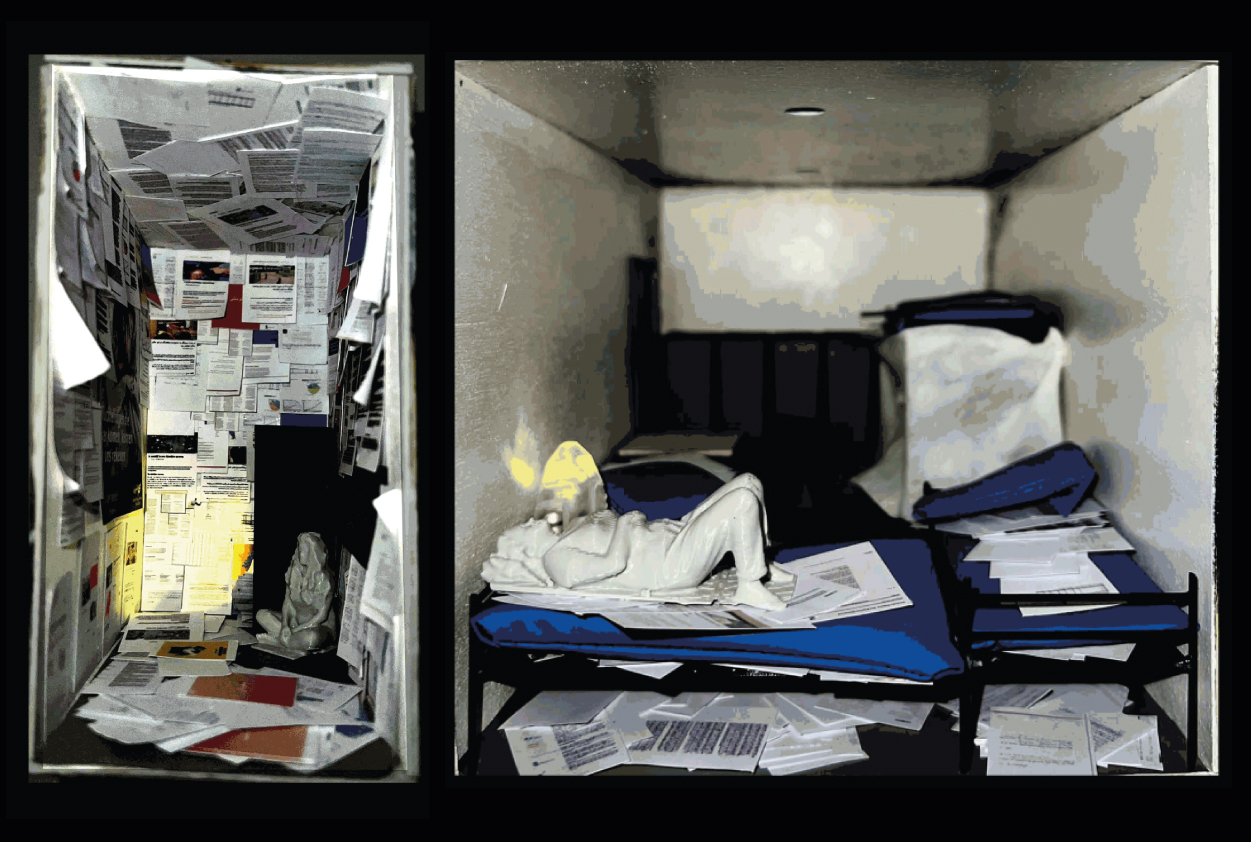
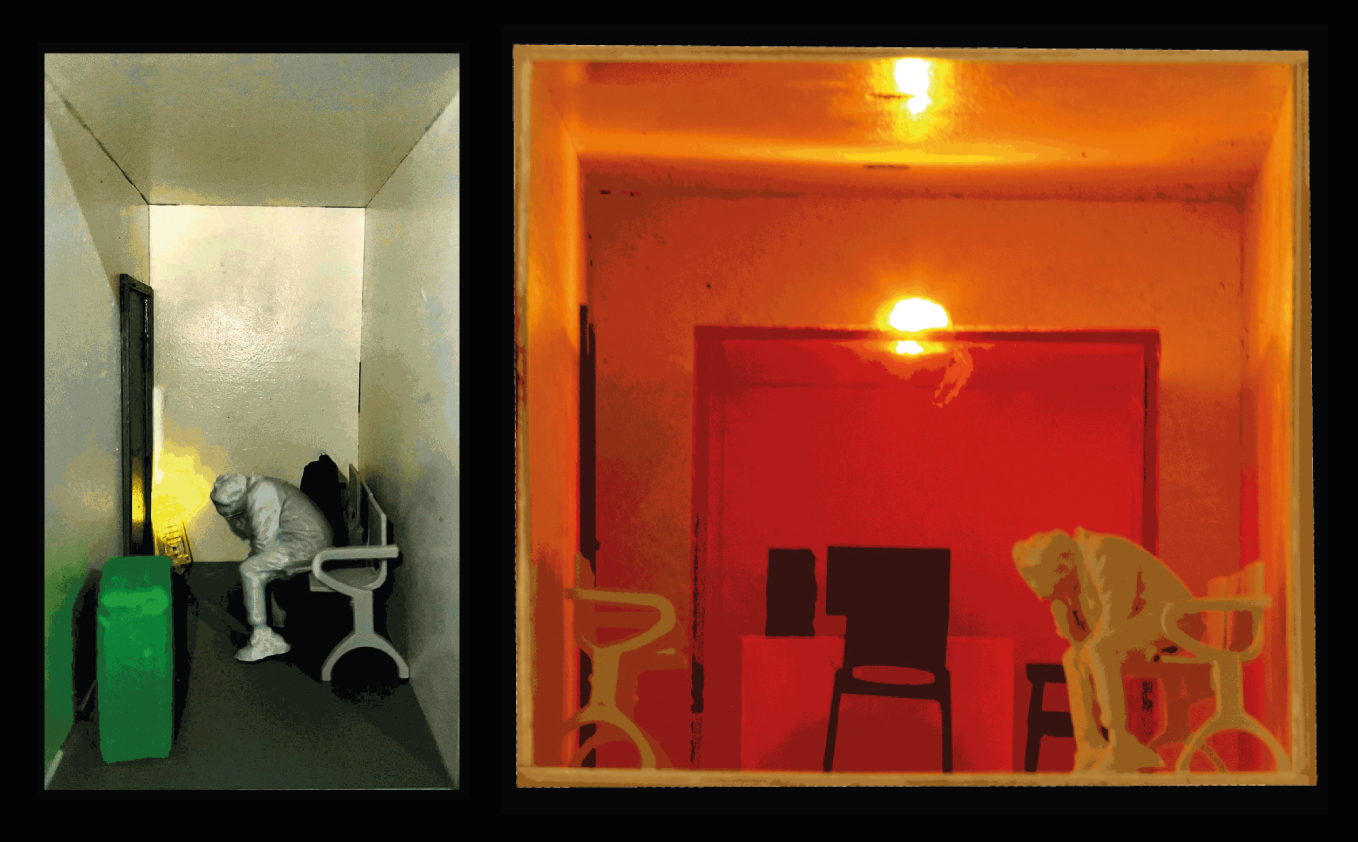
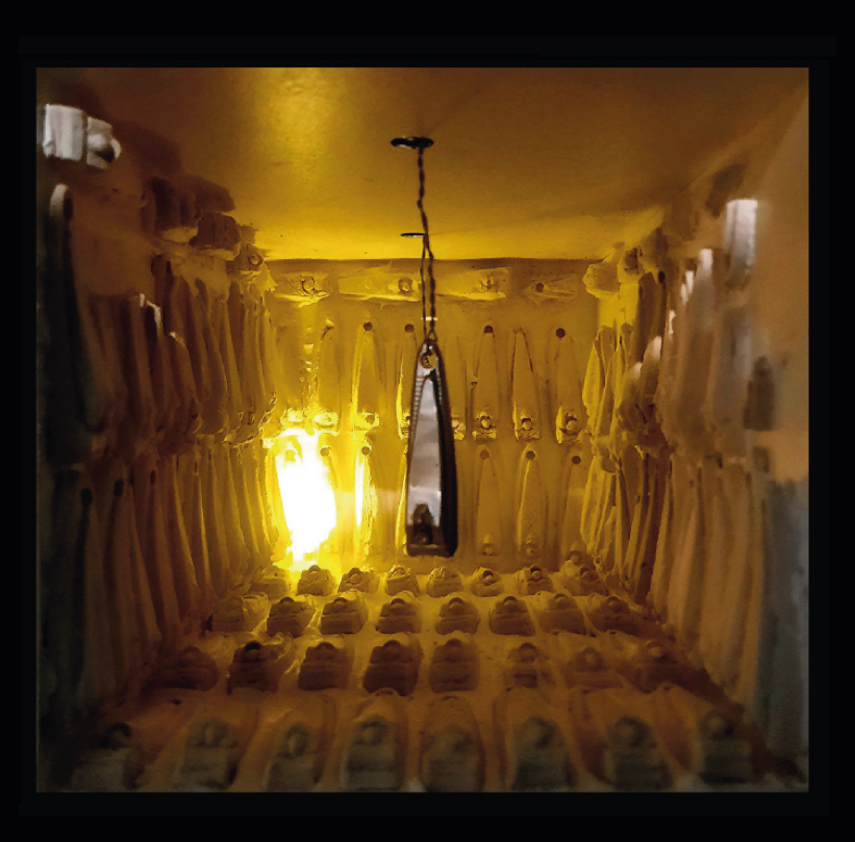
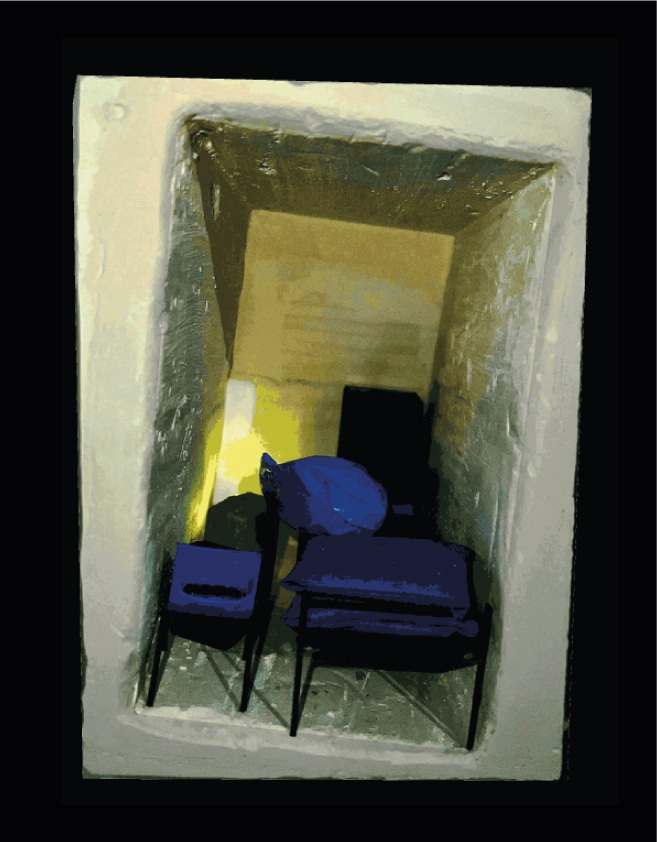
I am Grateful (?!) is an installation composed of 72 rooms, divided into four types: Actual Rooms, Paper Rooms, Waiting Rooms, and Emotional Rooms.

  • Actual rooms are exact replicas of real rooms found in refugee centers across the Netherlands.
  • Paper rooms reflect the constant flow of documents and forms from COA, VWN, and IND, alongside the evidence we gather from home. Our lives shift into a system defined by paperwork and mail, turning existence into a sequence of forms.
  • Waiting rooms represent the long periods of uncertainty. During this time, waiting becomes the only constant — waiting for interviews, transfers, food, mail, and everything in between.
  • Emotional rooms are created spaces that express the feelings experienced within the walls of refugee centers. How do spaces change through endless waiting? How do they reflect shifting emotions? How do they embody the psychological state of their inhabitants? What do spaces represent when they become part of a system of repetition?

Activities

Moments that inspire, challenge, and connect

Workshop 1

Workshop 1

Story telling

This first storytelling workshop served as an introductory gathering for participants who are living or have lived in different refugee centres. The session aimed to: Build trust and create a safe environment. Encourage participants to get to know one another. Offer a day out and an opportunity to meet new people. Provide space to share experiences and reduce feelings of isolation. Introduce the project and allow participants to choose how they wish to be involved. Begin collecting general insights into participants’ stories. Help participants to position themselves within the project and decide what they feel comfortable sharing.

Workshop 2

Workshop 2

Story telling

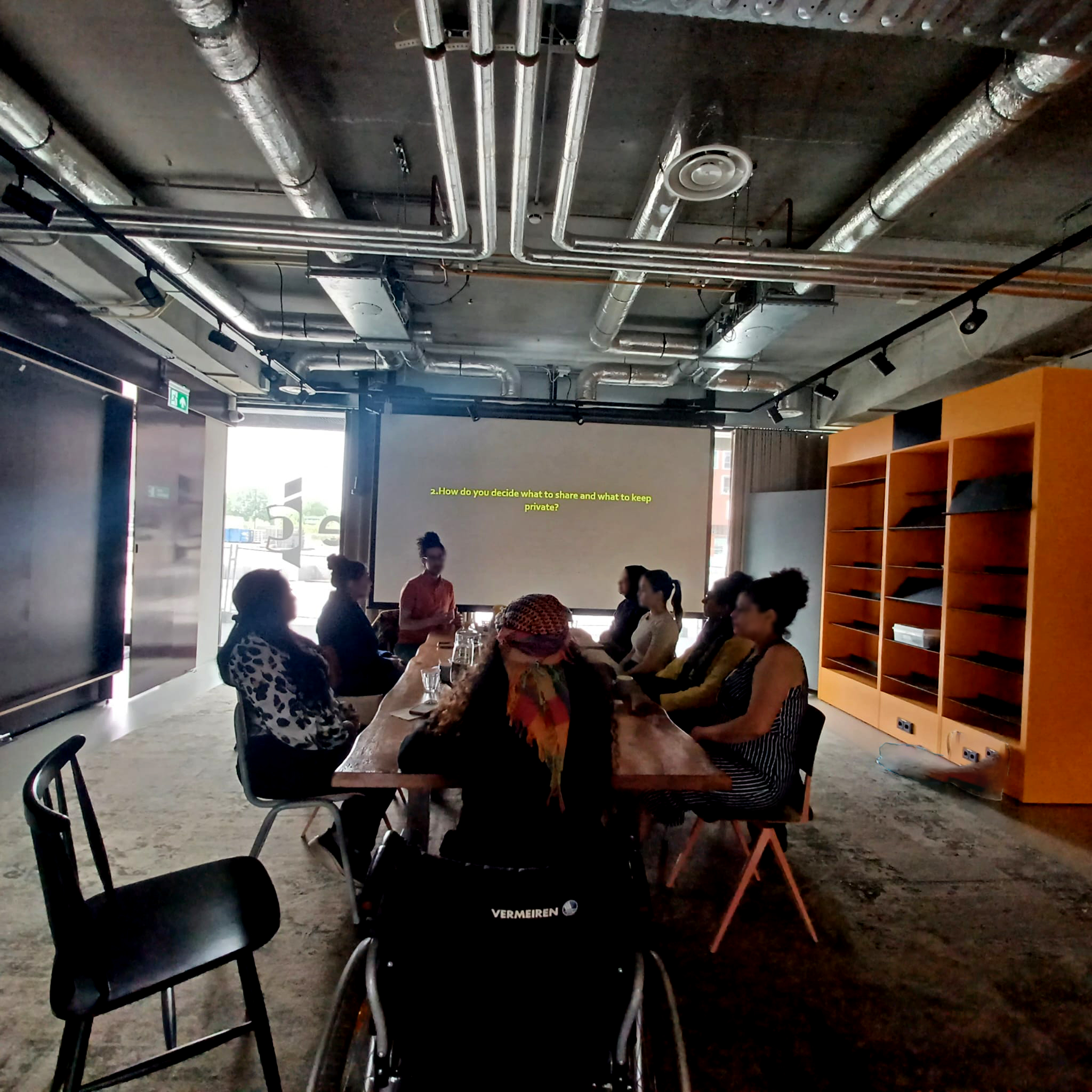
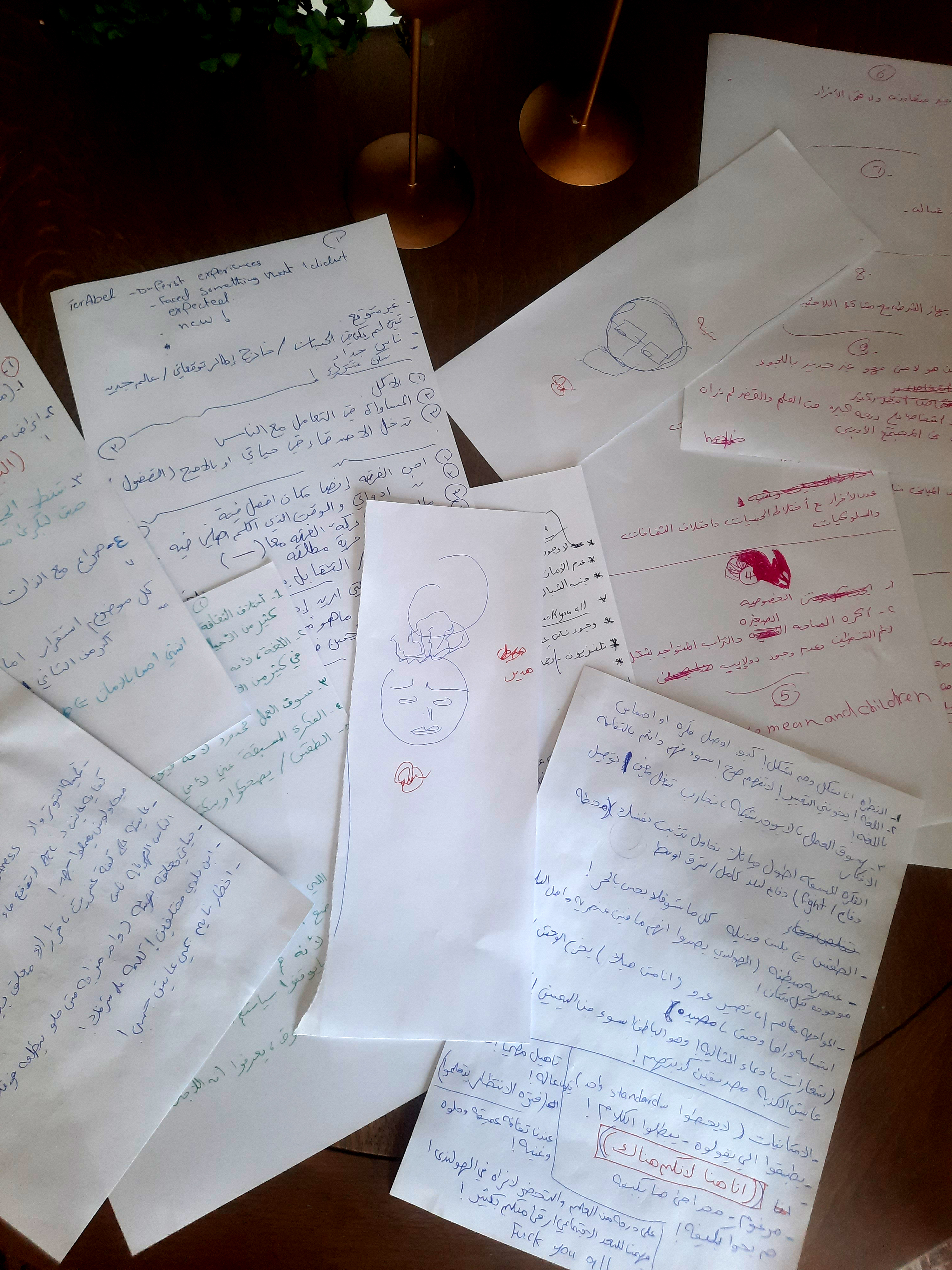
In this session, we dove into the WHAT and HOW of personal stories, focusing on life inside AZCs (asylum seeker centers). We asked participants reflective questions — exploring both personal experience and spatial imagination. (WHAT) What was the worst AZC you've stayed in — and why? What problems do society never see? What do you love/hate about your room? What message do you want to share with the world — inside or outside the AZC? What’s missing in your room, and what would you add? (HOW) Can you draw your room(s) and show where they sit within the AZC? If you could design a room to express a feeling about the invisible borders, what would that feeling be — and why? What if there were 5 rooms, each showing a border you experience — what would you name each one?

Workshop 3

Workshop 3

Build up

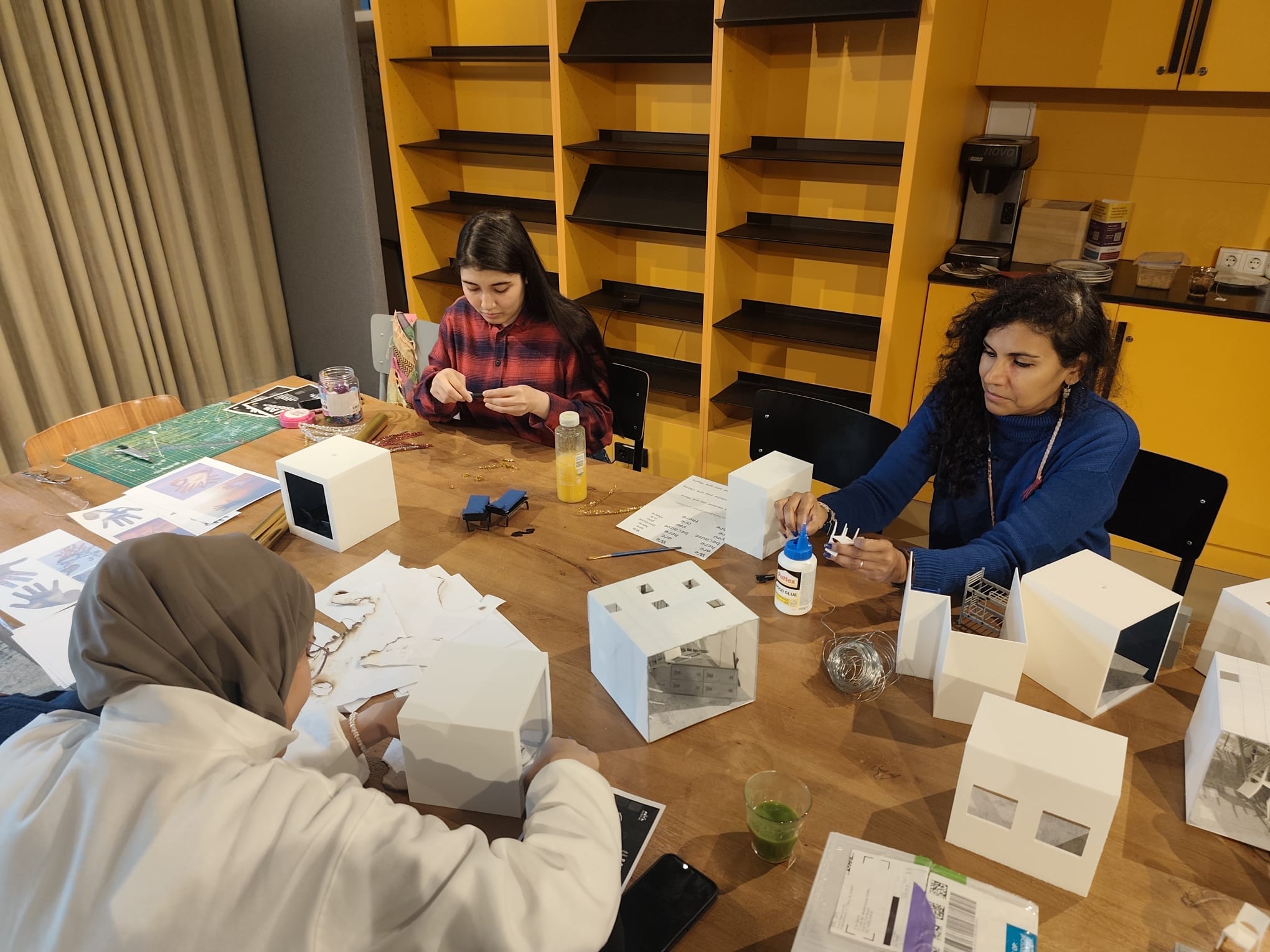
It is important for the participants to be directly involved in building their rooms, shaping the details, and ensuring that the space truly reflects their ideas and experiences. This process helps them feel connected to the room and grounded in it.

Exhibition opening

Exhibition opening

At Imagine IC

The opening event exceeded expectations, welcoming around 50 attendees from across our network, including researchers, architects, artists, and representatives from various institutions and organisations. The programme began with a welcome speech by Imagine IC’s manager, Danielle Kuijten, followed by an introduction from project leader Nasma Alshutfa. Each member of the I Am Grateful team — Dona, Wafa, Ibtehal, Osman, Hadi, Hadir, Buthaina, and Samira — shared their role, emotions, and contributions, creating a warm and engaging atmosphere. We focused on guiding visitors through the installation and facilitating conversations around the work. Participants stood proudly beside their rooms, engaging in long, meaningful conversations with visitors.

Roundtable 1

Roundtable 1

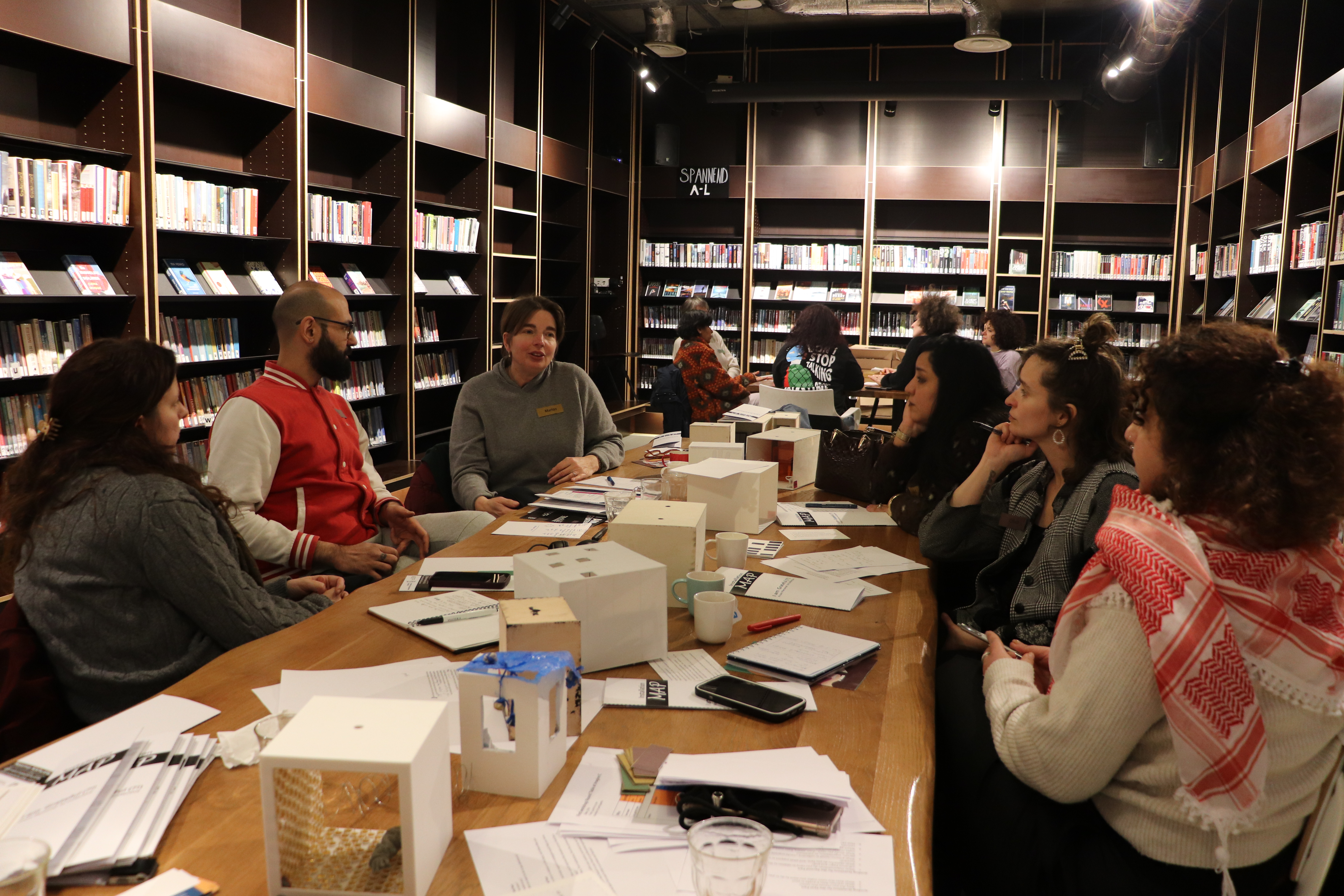
This roundtable uses the installation to spark dialogue. Participants explore the rooms, choose one that resonates, and share reflections before moving into small groups to discuss challenges, responsibilities, and possibilities for action. We end by gathering again to exchange insights and consider what change is possible within our roles. The session brings together different organisations — including SAWA, CIVIC, and Takecarebnb — as well as people with lived experience, to reflect collectively and translate those reflections into meaningful steps.

Project Team

Dona Saroor

Dona Saroor

Narrative Community Facilitator

Wafa  Al-Attas

Wafa Al-Attas

Creative Producer

Hadi Zadeh

Barista and café management

Buthina Osama

MBA

Samira

Ibtehal Al-dholay

Former Tv presenter human rights activist

Hadir 

Lawyer

Osman Mjd

Football player

Amal Adwan

Cultural Mediator

Ali Jawad

Multidisciplinary artist and therapist

Thanks to

Michou de Bruijn, spatial designer

Kilian Kleinschmidt, Entrepreneur & former UNHCR official